Kultalähe (2026)
Digital video. 17’20 minutes. Stereo. Color. Original languages: Karelian & Finnish. Subtitles: English, Karelian & Finnish.
 .
. 

 .
. 
 .
. 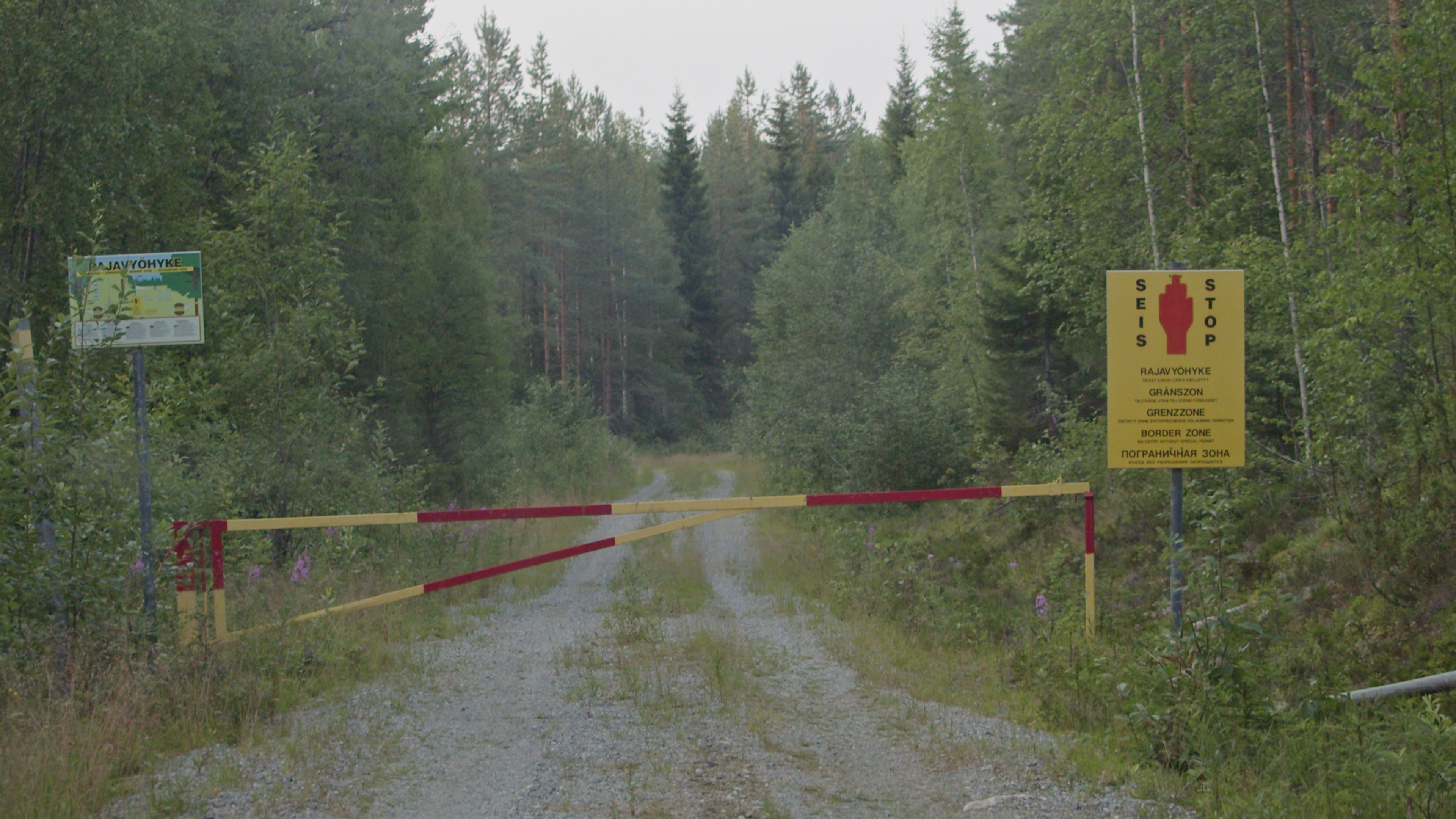
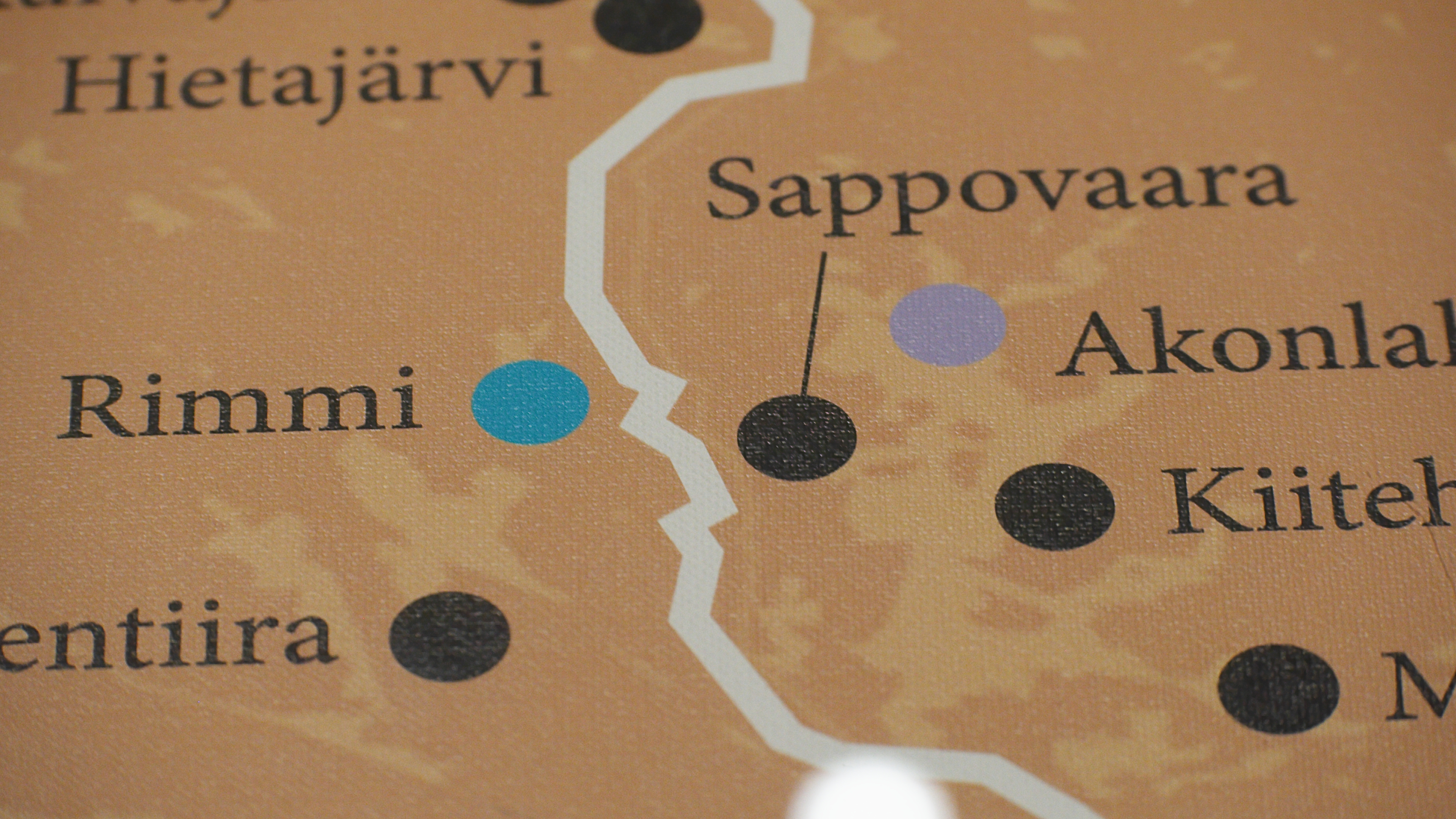
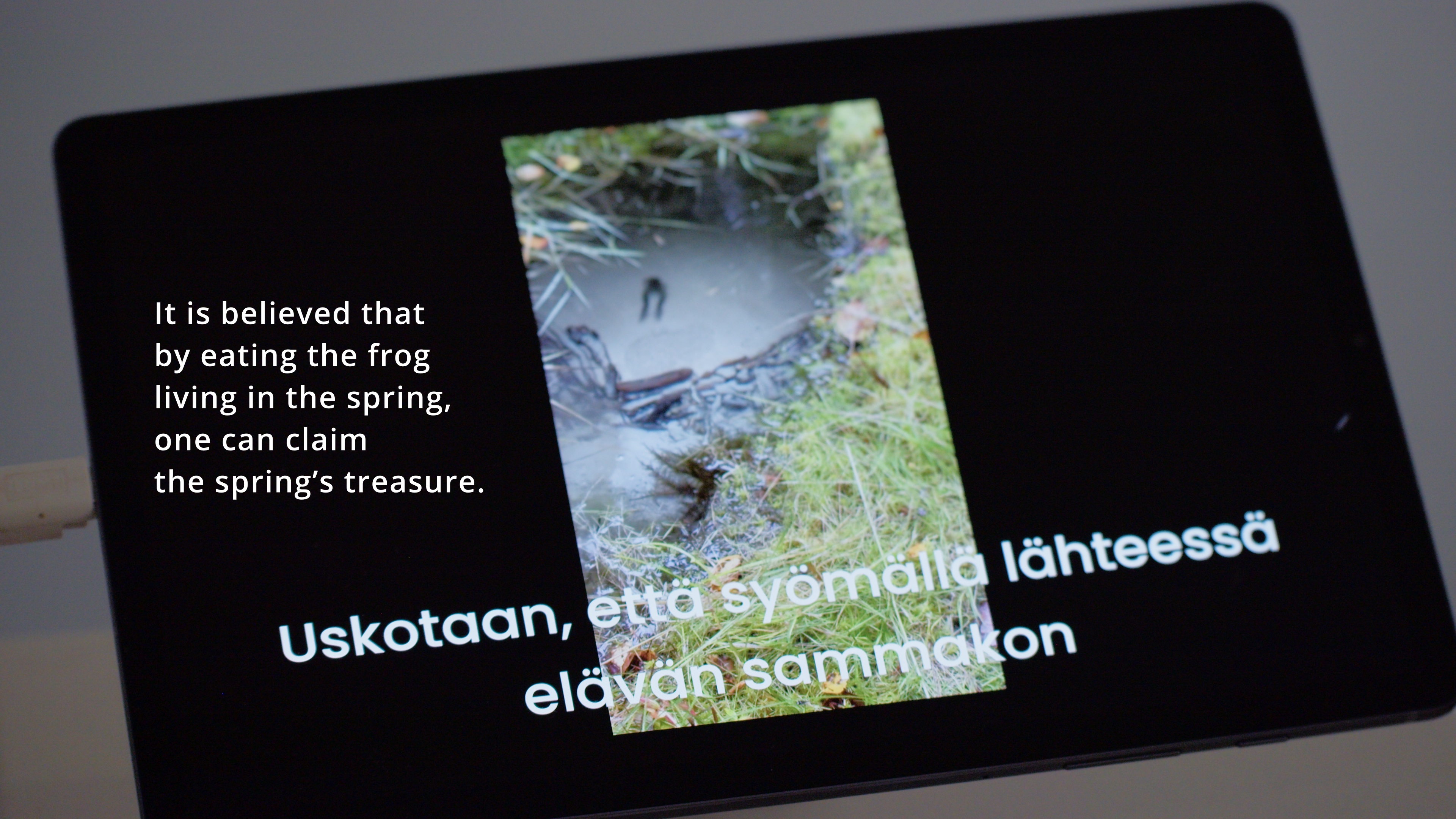
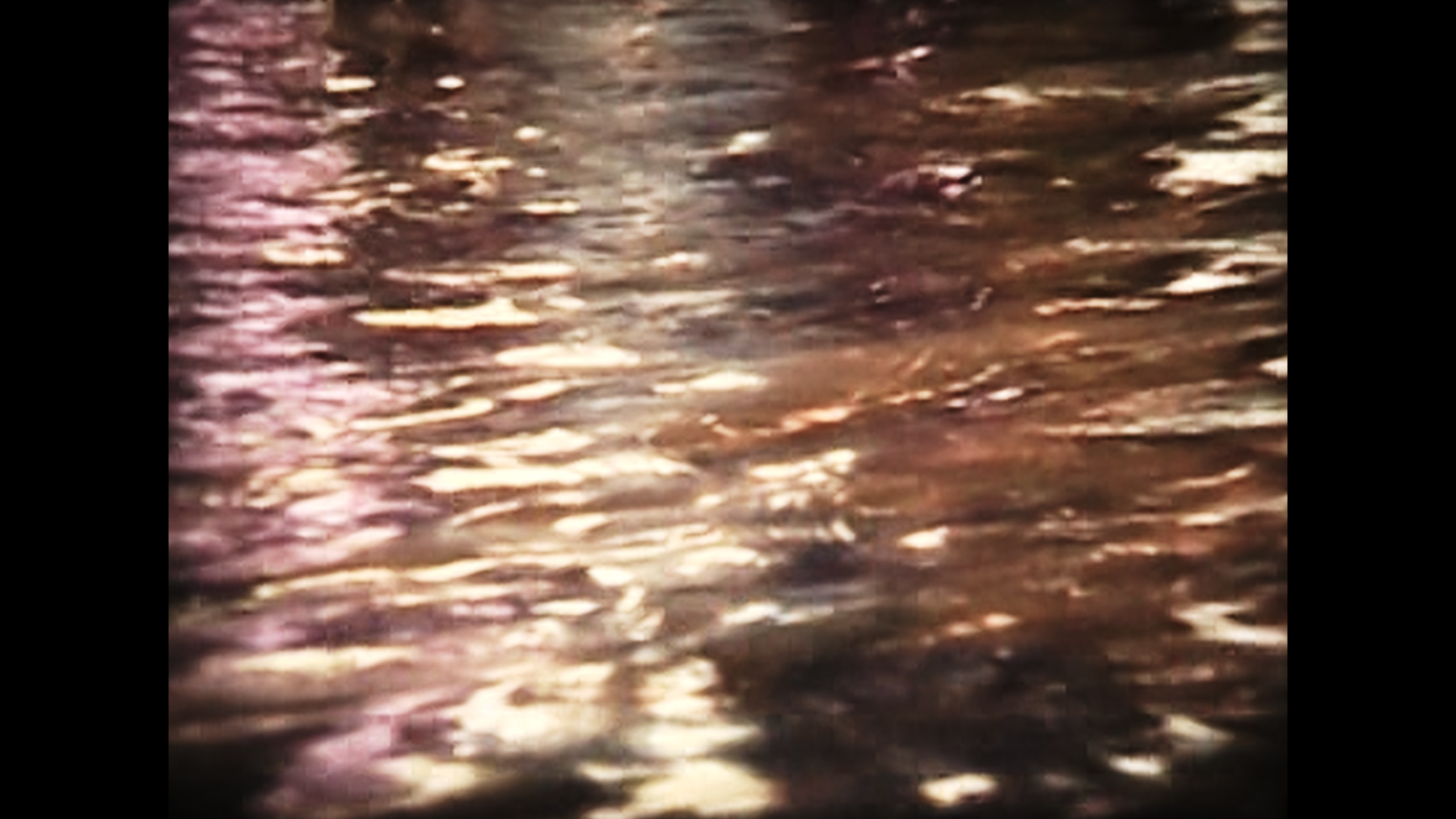
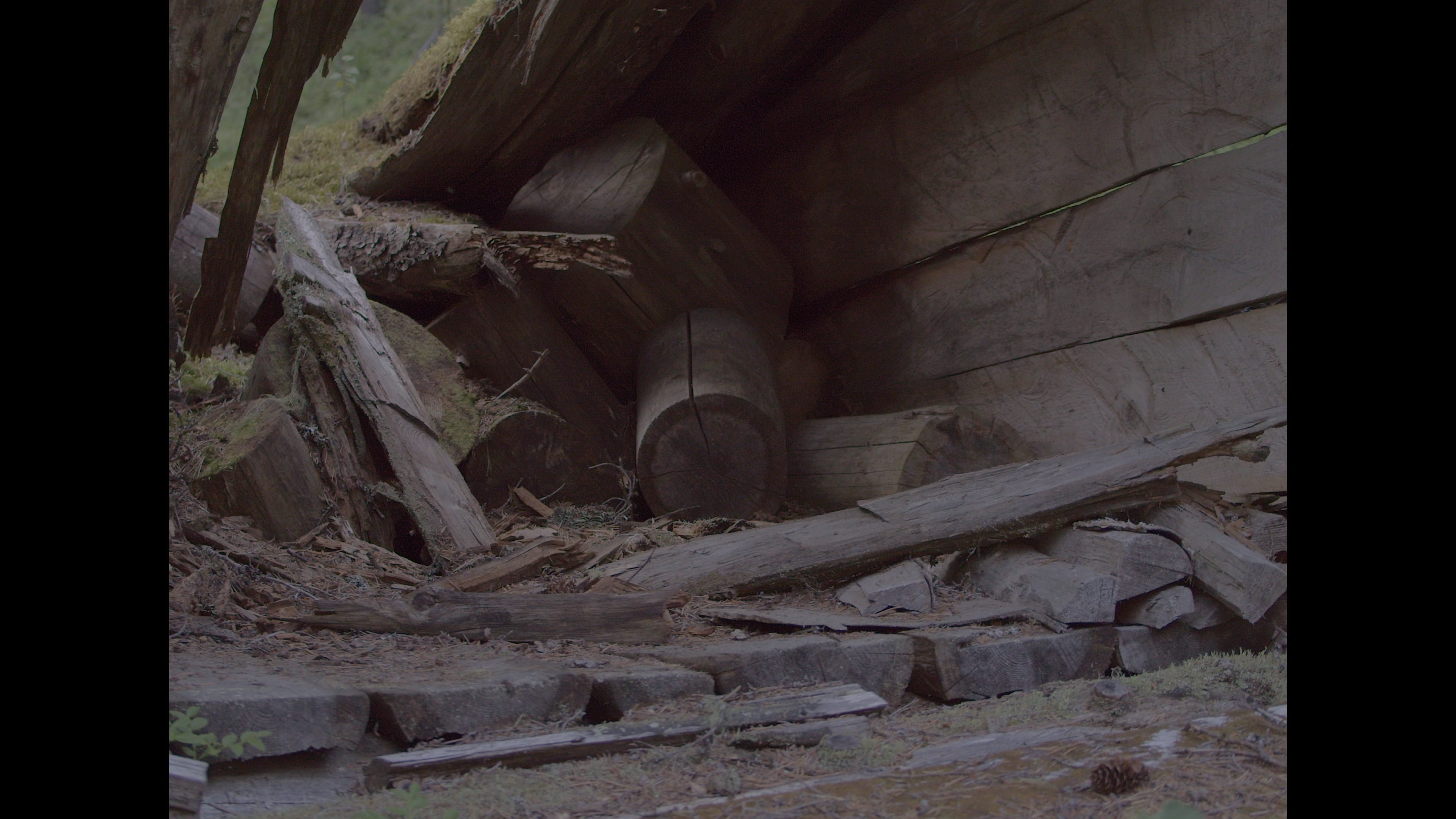
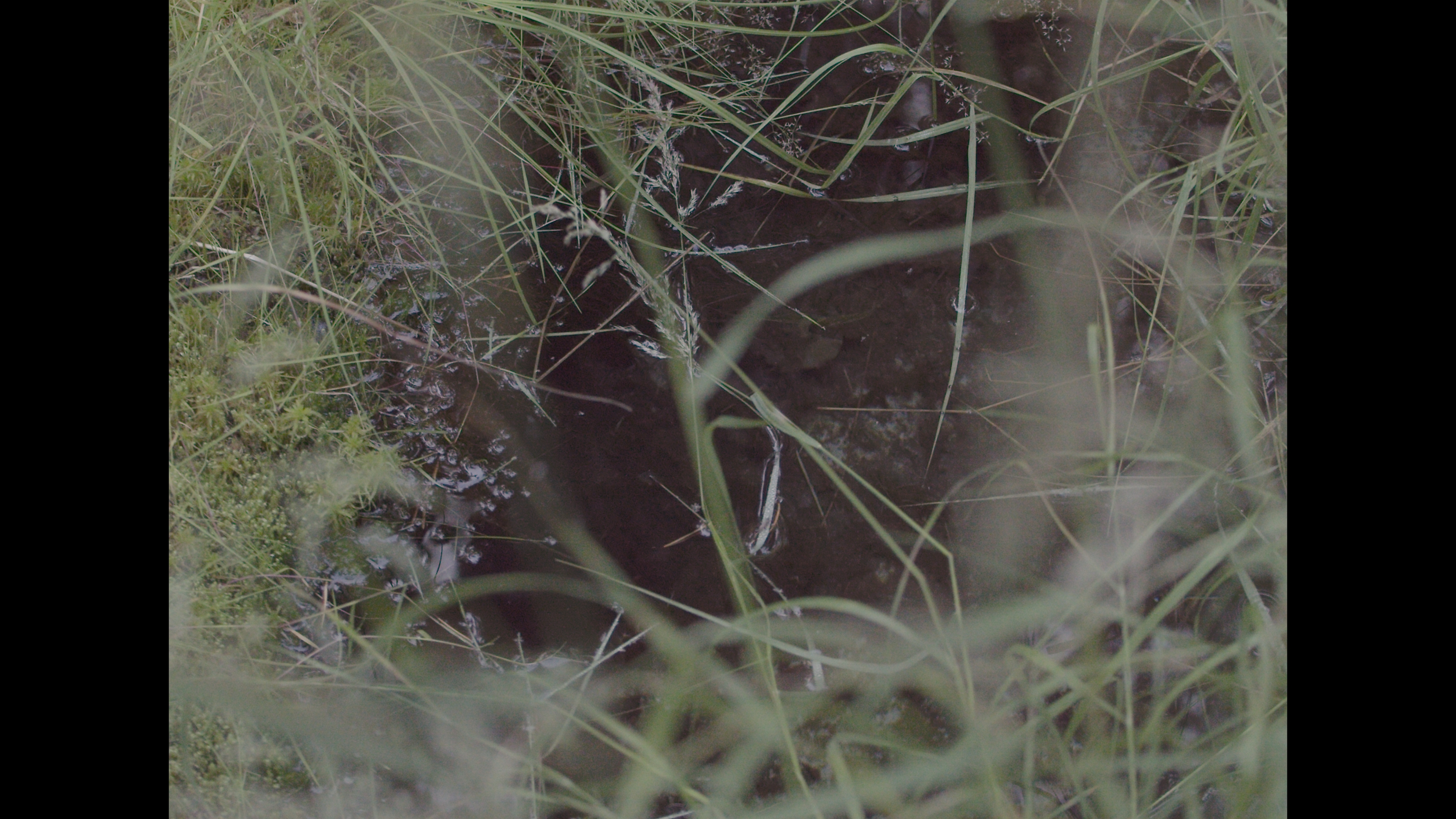
The film follows a docufictional journey to a Viena Karelian spring called Kultalähe (Golden Spring). Located in the Finnish State border zone near the Vartius border crossing station, on the way towards the Russian State’s side of Karelia, the spring is said to flow across the borders – into the Gulf of Bothnia and the White Sea. It bubbles up along the historical Bread Road, once traveled by Viena Karelian pack merchants heading to Finland, and by Finnish artists and scientists – Karelianists – to Viena Karelia. Kultalähe reflects the layered meanings of the borderlands by weaving novel excerpts, oral tradition, archival materials, a museum exhibition, and personal memory into a fragmentary collage film.
Credits
Voices by Mikki Noroila, Kaius Ahtonen & Pirjo Kyllönen
Written & Directed by Mikki Noroila
Cinematography by Mikki Noroila & Olli Valkola
Edited by Mikki Noroila
Sound by Mikki Noroila
Color grading by Tuure Leppänen
Karelian translation by Mikki Noroila & Olga Karlova
Location Production by Vienan Portti Oy
Exhibition – Borderlands. Akseli Gallen Kallela Museum. 2024; iPad video of Kultalähe by Tuija Wahlroos.
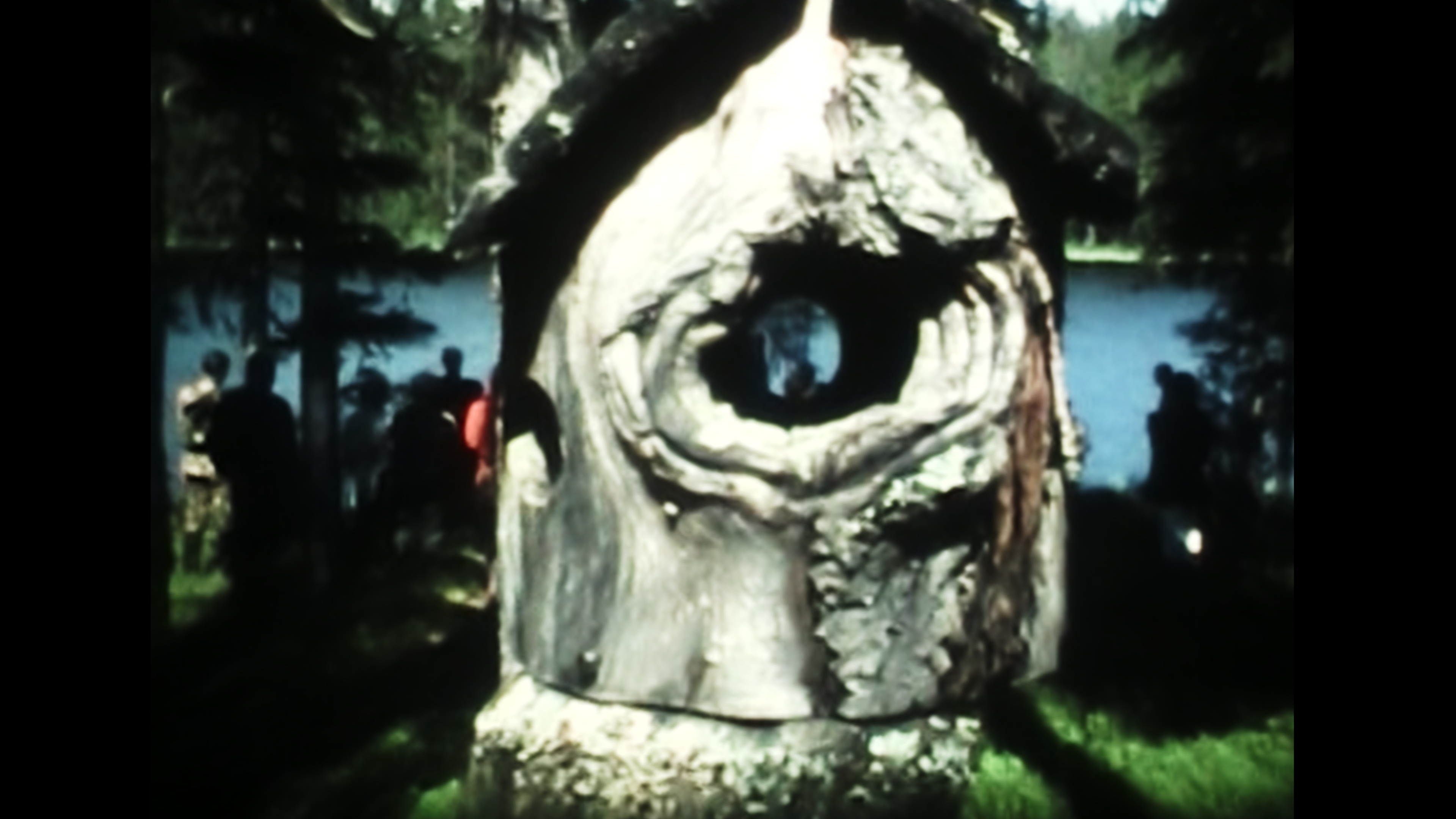
Archive Material – Kuivajärven praasniekka. Lauri Mustonen 1980.
Text excerpts – Prologue from Me karjalaiset. Antti Timonen. 1971; Midsection adapted from Me karjalaiset & oral tradition.
Music – Vienan virran pyörteissä. Hortto Kaalo. 1969. Hai Hortto Kaalot. © 2013 Warner Music Finland.
Paintings – Akseli Gallen Kallela: Mary Gallén Sewing in a Karelian Cabin. 1890. The Gallen-Kallela Museum; Tranquil Evening, study. 1890. The Gallen-Kallela Museum; Uljaska as a Model for Väinämöinen. 1890. The Gösta Serlachius Fine Arts Foundation, Mänttä; Girl Singing the Bark Bread Song. 1890. The Reitz Collection, Lauri and Lasse Reitz Foundation; Landscape in Kuhmo, 1890, The Gösta Serlachius Fine Arts Foundation, Mänttä; Väinämöinen and Aino. 1890. Turku Art Museum, The Collections of Turku Art Society; Aino Myth. 1890. Private collection.
Sculpture – Karelianism trail: Akseli Gallen-Kallela. Hannes Aleksi & Antía Sánchez. 2023.
Produced with the genereous support of – Kaius Ahtonen, Pirjo Kyllönen, Jari Pajunen, Marianne Hotari-Pajunen, Liisa Heikkinen, Tina Laiho, Pekka Laiho, Josefina Ovaska, Anssi Kuusinen, Petrus Laiho, Kreetta Kokkosalo, Päivi Käpynen, Pasi Käpynen, Terttu Noroila, Ville Noroila, Johanna Noroila, Jorma Sallinen, Petri Sallinen, Sonja Linnas, Leea Sihvo-Rajala, Hannu Rajala, Hilda Laiho, Niko Palmroth, Olli Valkola
Šulkkuset passipot, Thank you – Gallen-Kallela Museum, AV-arkki – Hanna Maria Anttila, AV Music – Eveliina Pitkänen, Farida Albrecht, Diego Bruno, Anu Kaarina Hämäläinen, Vieno Järventausta, Markku Nieminen, Timo Pajunen-Noroila, Virpi Noroila, Fanni Noroila, Miina Noroila, Moisejeffin Reeta, Anne Pelin, Titus Torniainen, Tuija Wahlroos, Šyntyiset, Rimmin väet, Kultalähtien väet
Produced by Mikki Noroila
Contact for screener: mikki.noroila@gmail.com